
日本向け木炭輸入:関税・港湾費用・コストガイド(2026年)
8月 28, 2026
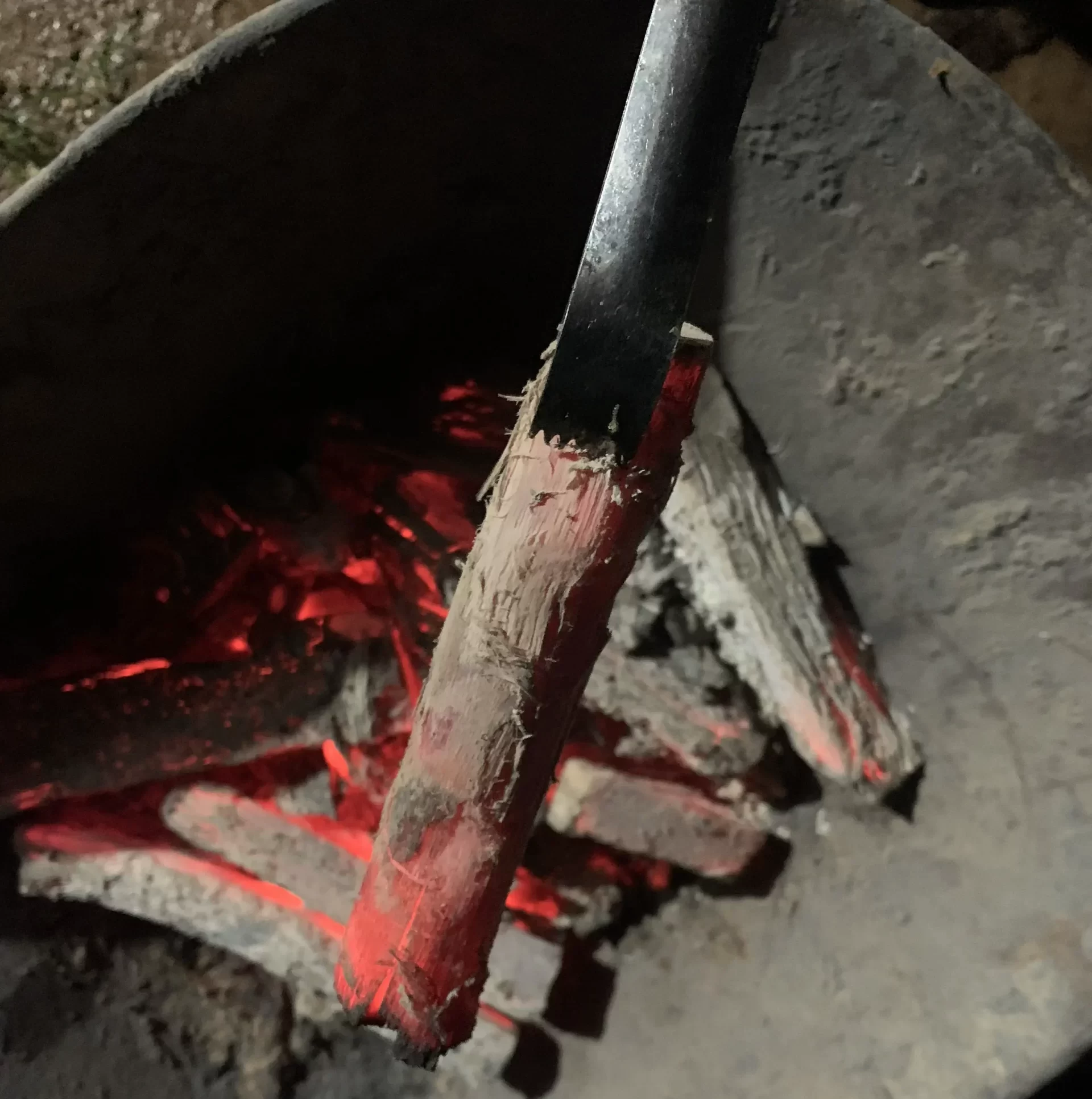
Authentic Binchotan white charcoal is celebrated for its exceptional density, incredibly long burn time, and clean, high-heat radiant infrared output. Because of its premium price tag and superior performance, wasting a half-burned batch at the end of a cooking service or barbecue session is simply out of the question.
Unlike standard briquettes that can easily be doused with water, extinguishing Binchotan requires care and precision. Because white charcoal burns at such extreme temperatures, improper extinguishing techniques can crack the charcoal, damage your equipment, or cause safety hazards.
CRITICAL SAFETY WARNING: Never pour water directly over glowing Binchotan inside a grill or metal container. The extreme thermal shock will cause the dense wood structure to violently crack, pop, and scatter hot sparks. Furthermore, turning hot charcoal into wet sludge ruins it completely for future use.
To safely and successfully extinguish your Binchotan for future reuse, follow one of these two industry-standard methods:
The safest and most reliable way to put out Binchotan is by cutting off its oxygen supply. Without oxygen, combustion stops immediately.
Use a Dedicated Snuffer Lid or Metal Can: If your konro grill comes with a tightly fitted metal lid or adjustable vents, close all air intake vents completely. This chokes off the oxygen flow.
Transfer to a Cast-Iron or Steel Container: If your grill does not seal completely, use heat-resistant tongs to carefully transfer the glowing pieces of Binchotan into a heavy-duty steel bucket or a metal container with a tight-fitting lid.
Seal Completely: Close the container lid tightly and leave it undisturbed until the charcoal is completely cold to the touch (usually several hours or overnight).
In high-volume Japanese restaurants and professional K-BBQ kitchens, chefs use a traditional ceramic or heavy metal extinguishing pot known as a kaketsubo.
Controlled Immersion: Hot coals are lifted out of the grill using long metal tongs and placed inside the thick-walled container.
Sandbox/Ash Burial: Alternatively, some professional setups submerge the bottom section or bury the hot coals in a designated metal box filled with dry fine sand or spent white ash. The dense mineral blanket rapidly absorbs thermal energy and smothers the ember.
Pro-Tip for Reusing Binchotan: Once extinguished and fully cooled, your Binchotan pieces will still look intact, albeit shorter. Keep them separate from fresh logs. When lighting your next grill, use these recycled “second-use” pieces at the bottom or mix them in—they ignite quickly and burn just as hot!
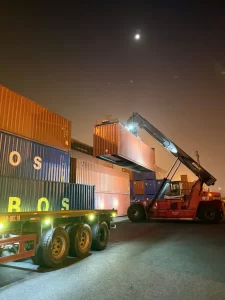
Guide to Import Duties, Port Charges, and Container Costs for Charcoal to Japan (Updated August 2026) Published by Binchotan Supplier | Last Updated: August...
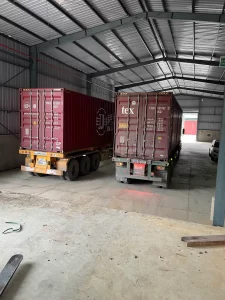
Introduction Vietnam has established itself as one of the world’s leading suppliers of high-density biomass grilling fuels, including sawdust charcoal...
(0) コメント
コメントを残す