Vietnam Sawdust Briquette Charcoal Market Update
11月 18, 2026
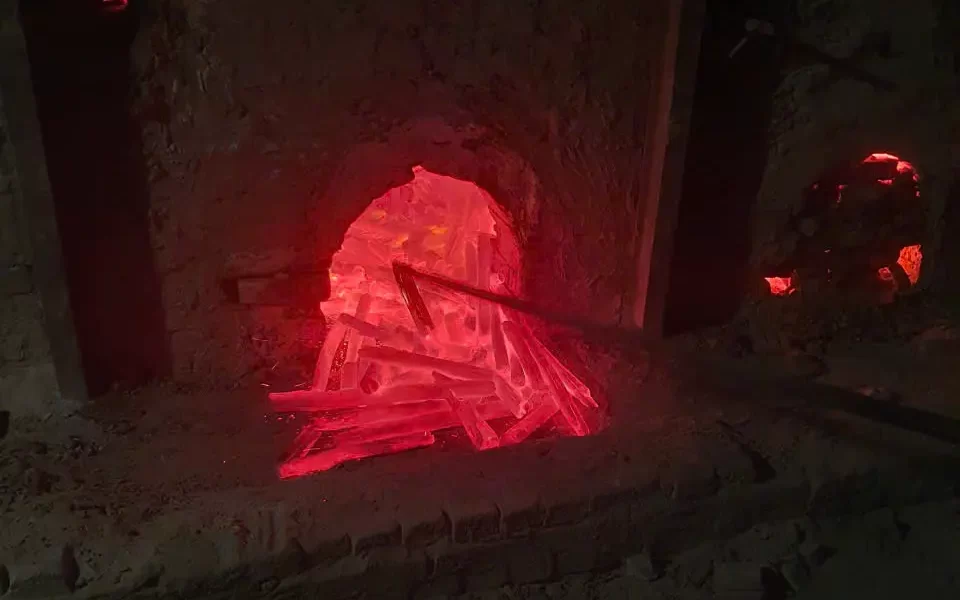
When sourcing high-quality white charcoal for restaurants, BBQ businesses, wholesalers, and importers, Vietnam Lychee Binchotan and Laos Binchotan are two products worth considering.
Both are white charcoal products produced in Southeast Asia and supplied to international markets, including Japan. However, they have different origins, raw material characteristics, and sourcing considerations.
In this article, we compare Vietnam Lychee Binchotan and Laos Binchotan to help importers, distributors, and commercial users understand their characteristics and select the most suitable product for their business.
Vietnam Lychee Binchotan is white charcoal produced in Vietnam using lychee wood as its raw material.
Lychee wood is a relatively dense hardwood. When processed through an appropriate carbonization and finishing process, it can produce hard charcoal with good structural strength and stable combustion characteristics.
One of the main characteristics of Vietnam Lychee Binchotan is its use of lychee wood, which gives the product a distinctive raw material identity.
Depending on the production process and product grade, Vietnam Lychee Binchotan can be suitable for professional BBQ restaurants, yakitori restaurants, Japanese restaurants, and other commercial applications requiring white charcoal.
Laos Binchotan is white charcoal manufactured in Laos using locally sourced wood materials.
Laos has natural forest resources and a long tradition of charcoal production. White charcoal manufactured in the country is supplied to domestic and international markets.
The characteristics of Laos Binchotan depend on the wood species selected, the carbonization process, and the production standards of each factory.
For commercial buyers and importers, Laos Binchotan is an option worth considering when looking for alternative white charcoal supply sources in Southeast Asia.
Although both products belong to the white charcoal category, there are several points that buyers should consider when comparing them.
| Comparison | Vietnam Lychee Binchotan | Laos Binchotan |
|---|---|---|
| Country of Origin | Vietnam | Laos |
| Raw Material | Lychee wood | Locally sourced wood, depending on the factory |
| Charcoal Type | White Charcoal (Binchotan) | White Charcoal (Binchotan) |
| Wood Characteristics | Relatively dense hardwood | Depends on the wood species used |
| Product Characteristics | Hard structure and stable combustion potential | Varies according to raw materials and manufacturing process |
| Quality Factors | Wood selection, carbonization, finishing, and grading | Wood selection, carbonization, finishing, and grading |
| Suitable Markets | Japan, restaurants, BBQ businesses, and wholesalers | Japan, restaurants, BBQ businesses, and wholesalers |
Important: Actual performance, including burning time, heat output, ash content, fixed carbon, and durability, should be evaluated using product specifications and laboratory test results. Country of origin alone does not determine charcoal quality.
The best choice depends on the intended application, required quality standards, purchasing budget, and supply conditions.
Vietnam Lychee Binchotan is worth considering for buyers who specifically prefer charcoal made from lychee wood.
Its relatively dense raw material makes it an interesting option for commercial users looking for hard white charcoal with stable combustion characteristics.
It may be particularly suitable for:
Laos Binchotan is worth considering for importers and wholesalers seeking alternative white charcoal supply sources.
Working directly with manufacturers in Laos can also provide opportunities to develop long-term supply relationships and evaluate purchasing conditions based on order volume and product specifications.
It may be particularly suitable for:
When importing white charcoal from Vietnam or Laos, buyers should evaluate the actual product quality rather than relying only on its country of origin.
The following factors are particularly important:
For professional importers, requesting samples and product specifications before placing a large order is recommended.
Japan has an established market for white charcoal, particularly in yakitori restaurants, yakiniku restaurants, traditional Japanese restaurants, and professional BBQ businesses.
Vietnam and Laos are two Southeast Asian countries that can offer alternative sourcing opportunities for Japanese importers.
By comparing raw materials, manufacturing processes, product specifications, and supply capabilities, buyers can select the product that best matches their business requirements.
For companies purchasing commercial quantities, stable production capacity, consistent quality, export experience, and reliable logistics are also important factors in establishing long-term business relationships.
JapanLink Vietnam supports business connections between Japanese companies and Vietnamese and Southeast Asian manufacturers.
Through our local factory network, we support customers looking for white charcoal products, including Vietnam Lychee Binchotan and Laos Binchotan.
Our business approach focuses on understanding customer requirements and coordinating with manufacturing partners regarding:
We aim to help Japanese importers, wholesalers, and commercial users find suitable white charcoal products and establish sustainable supply relationships.
If you are looking for Vietnam Lychee Binchotan or Laos Binchotan for wholesale or commercial use, please contact JapanLink Vietnam for further information.
The main difference is the country of origin and raw material. Vietnam Lychee Binchotan is produced using lychee wood from Vietnam, while Laos Binchotan uses locally sourced wood depending on the manufacturer.
Yes. Vietnam Lychee Binchotan can be considered for yakitori restaurants, yakiniku restaurants, and other Japanese restaurants requiring white charcoal. The appropriate grade should be selected according to the restaurant’s requirements.
Yes. Laos Binchotan can be supplied for commercial and wholesale purposes, subject to factory production capacity, product specifications, and order conditions.
Burning time depends on wood species, charcoal density, size, carbonization process, and operating conditions. A direct comparison under the same testing conditions is necessary to determine which product performs better.
Yes. Sample arrangements can be discussed with JapanLink Vietnam to help buyers evaluate product quality and suitability before making a purchasing decision.
Yes. JapanLink Vietnam works with manufacturing partners in Vietnam and Laos and can discuss wholesale and export supply opportunities with Japanese importers and distributors.
Both Vietnam Lychee Binchotan and Laos Binchotan offer sourcing opportunities for businesses looking for white charcoal from Southeast Asia.
Vietnam Lychee Binchotan is distinguished by its lychee wood raw material, while Laos Binchotan provides another sourcing option with product characteristics depending on the wood species and manufacturing process.
Rather than choosing based only on country of origin, buyers should compare actual product quality, specifications, pricing, and supply capabilities.
JapanLink Vietnam welcomes inquiries from Japanese importers, wholesalers, and commercial charcoal users interested in Vietnam Lychee Binchotan and Laos Binchotan.
Contact us to discuss product specifications, samples, and wholesale supply opportunities.
Vietnam Sawdust Briquette Charcoal Market Update: Rising Raw Material, Factory and Ocean Freight Costs Published by Japan Link (ジャパンリンク)...
Thank you for your continued support of Japan Link. Japan Link supports companies considering imports from Vietnam from start to finish, covering local...
11月 18, 2026
11月 18, 2026
11月 18, 2026
(0) コメント
コメントを残す