日本向け木炭輸入:関税・港湾費用・コストガイド(2026年)
Aug 28, 2026
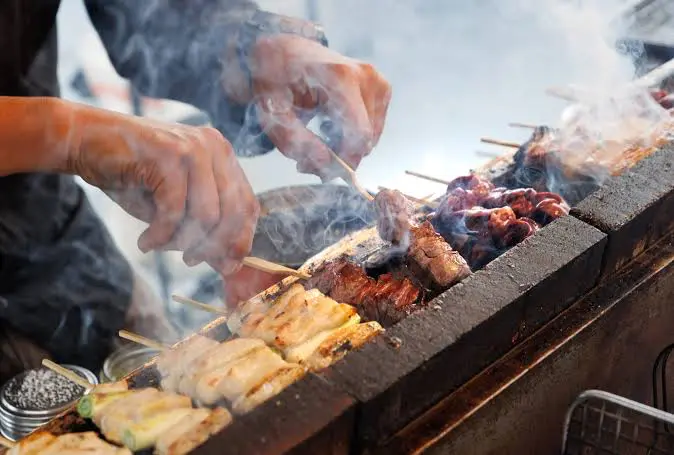
Operating an authentic Japanese Yakitori restaurant is an art form that combines culinary precision with specialized equipment. Unlike conventional Western barbecue, traditional Yakitori grilling over high-grade Binchotan charcoal produces intense radiant heat, minimal smoke, and rich aromas. However, without a properly engineered ventilation system and specialized robata grill setup, smoke management and heat control can quickly overwhelm your kitchen staff and dining room.
In this guide, we explore the essential steps to design and setup a professional Yakitori smoke extraction system and grilling station that meets Japanese standards.
Yakitori skewers (such as negima, momo, and tsukune) are typically grilled over high-temperature white charcoal (Binchotan) in a narrow, rectangular ceramic or stainless steel grill called a Yakitori-dai. Key physical factors include:
Proper ventilation is the backbone of any indoor Japanese charcoal grill. A poorly designed hood will either fail to capture smoke or suck out too much heat, lowering the cooking temperature.
The grilling station must be ergonomically optimized for the grill master (Yakitori-shi) who stands for hours managing dozens of skewers simultaneously.
| Component | Standard Specification | Purpose / Benefit |
|---|---|---|
| Grill Body | Diatomaceous earth lined with stainless steel exterior | Superior thermal insulation, keeps heat inside and reduces fuel waste. |
| Grill Height | Counter height: 75cm – 85cm from floor | Allows customers at counter seats eye-level view while reducing operator fatigue. |
| Fuel Type | Grade A1 Binchotan White Charcoal | Provides steady, odorless heat for up to 4–5 hours without sparks. |
Pro Tip for Restaurant Designers: In traditional Japanese izakayas, counter seating around the grill creates an immersive theater experience. Ensure the glass or safety barrier between guests and the grill is high enough to block stray ash while maintaining visibility.
Setting up a professional Yakitori station requires careful alignment between heavy-duty ventilation, precise kitchen ergonomics, and premium fuel choice like Binchotan charcoal. Investing in the right setup from day one ensures smoother operations, a cleaner dining atmosphere, and unforgettable grilled skewers for your patrons. Contact our team for expert advice on matching high-performance white charcoal to your restaurant layout.
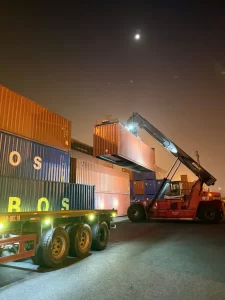
Guide to Import Duties, Port Charges, and Container Costs for Charcoal to Japan (Updated August 2026) Published by Binchotan Supplier | Last Updated: August...
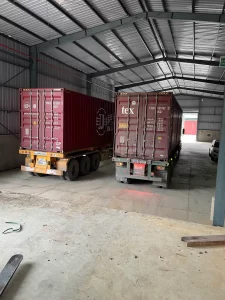
Introduction Vietnam has established itself as one of the world’s leading suppliers of high-density biomass grilling fuels, including sawdust charcoal...
Aug 28, 2026
Aug 28, 2026
(0) Comments
Leave a Comment