日本向け木炭輸入:関税・港湾費用・コストガイド(2026年)
8月 28, 2026
Published by Binchotan Supplier | Last Updated: August 2026
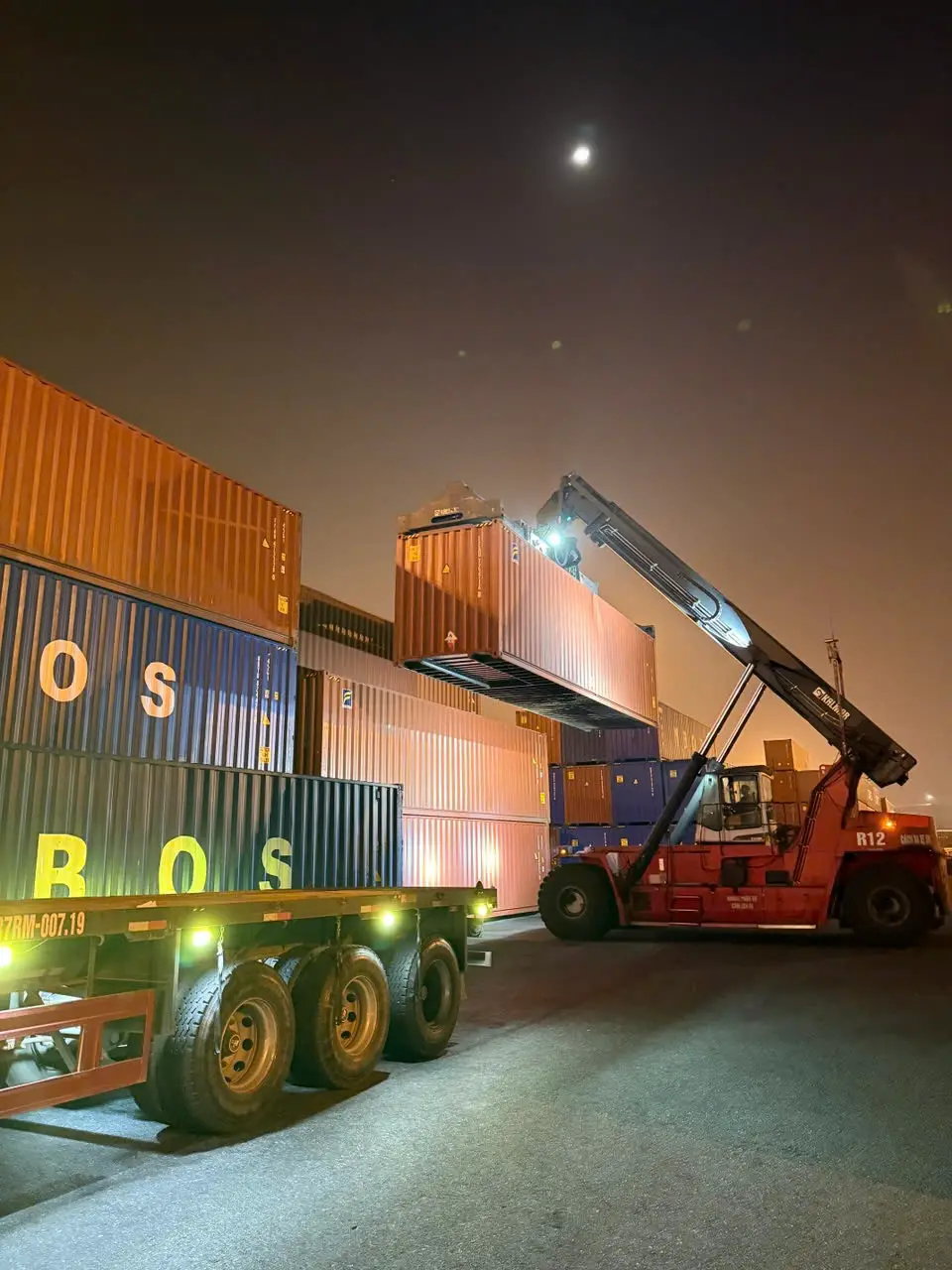
Importing charcoal products like Laos Binchotan and Vietnamese Sawdust Charcoal (Ogatan) into Japan requires a clear understanding of local tax regulations, port handling fees, and container logistics. To help our global partners and importers optimize their landed cost calculations, we have put together a comprehensive guide on import consumption taxes, terminal charges at Tokyo, Yokohama, Nagoya, Osaka, Kobe, Hakata Port, and container size cost differences.
Note on Currency & Timelines: The fees outlined below reflect the baseline estimates as of August 2026. These figures are subject to change based on market fluctuations, fuel adjustments, and carrier updates. Please contact our team directly to get the most up-to-date quotation and calculation assistance.
When calculating your landed costs for charcoal imports into Japan, keep the following tax structure in mind:
In addition to domestic trucking costs from the port to your warehouse, you must budget for specific carrier and port handling fees when clearing customs at Japan Port. The standard charges per container are structured as follows:
| Charge Item | 20ft Container (20F) | 40ft / 40HC Container (40F) | Remarks |
|---|---|---|---|
| JPDOC (Documentation Fee) | 6,000 JPY | Same cost for both 20ft and 40ft containers. | |
| LSS (Low Sulphur Surcharge) | 300 USD | Subject to change depending on bunker/fuel price fluctuations. | |
| JPTHC (Terminal Handling Charge) | 42,600 JPY | 66,700 JPY | Varies by container size. |
| JPEMC (Emergency/Equipment Surcharge) | 3,000 JPY | 6,000 JPY | Varies by container size. |
A common question among charcoal importers is whether to choose a 20ft container or a 40HC container. From a cost-efficiency perspective, several fixed logistics factors come into play:
Since local trucking (from factory to export port), export port charges in Hai Phong, and ocean freight rates for a 20ft container are nearly identical to those of a 40ft container, the fixed costs are distributed over a smaller volume. Consequently, the cost per ton for a 20ft container will inherently be higher than that of a 40HC container.
Calculating landed costs precisely can safeguard your profit margins when supplying Binchotan and sawdust charcoal to the Japanese market. At Binchotan Supplier, we support our partners with transparent pricing, palletized loading options, and accurate container optimization.
Get in touch with us today to review your targeted package sizes, shipping volumes, and receive an updated CIF Tokyo, Yokohama, Nagoya, Osaka, Kobe, Hakata quotation tailored to your business needs.
Introduction Vietnam has established itself as one of the world’s leading suppliers of high-density biomass grilling fuels, including sawdust charcoal...

Introduction Operating an authentic Japanese Yakitori restaurant is an art form that combines culinary precision with specialized equipment. Unlike conventional...
(0) コメント
コメントを残す