日本向け木炭輸入:関税・港湾費用・コストガイド(2026年)
8月 28, 2026
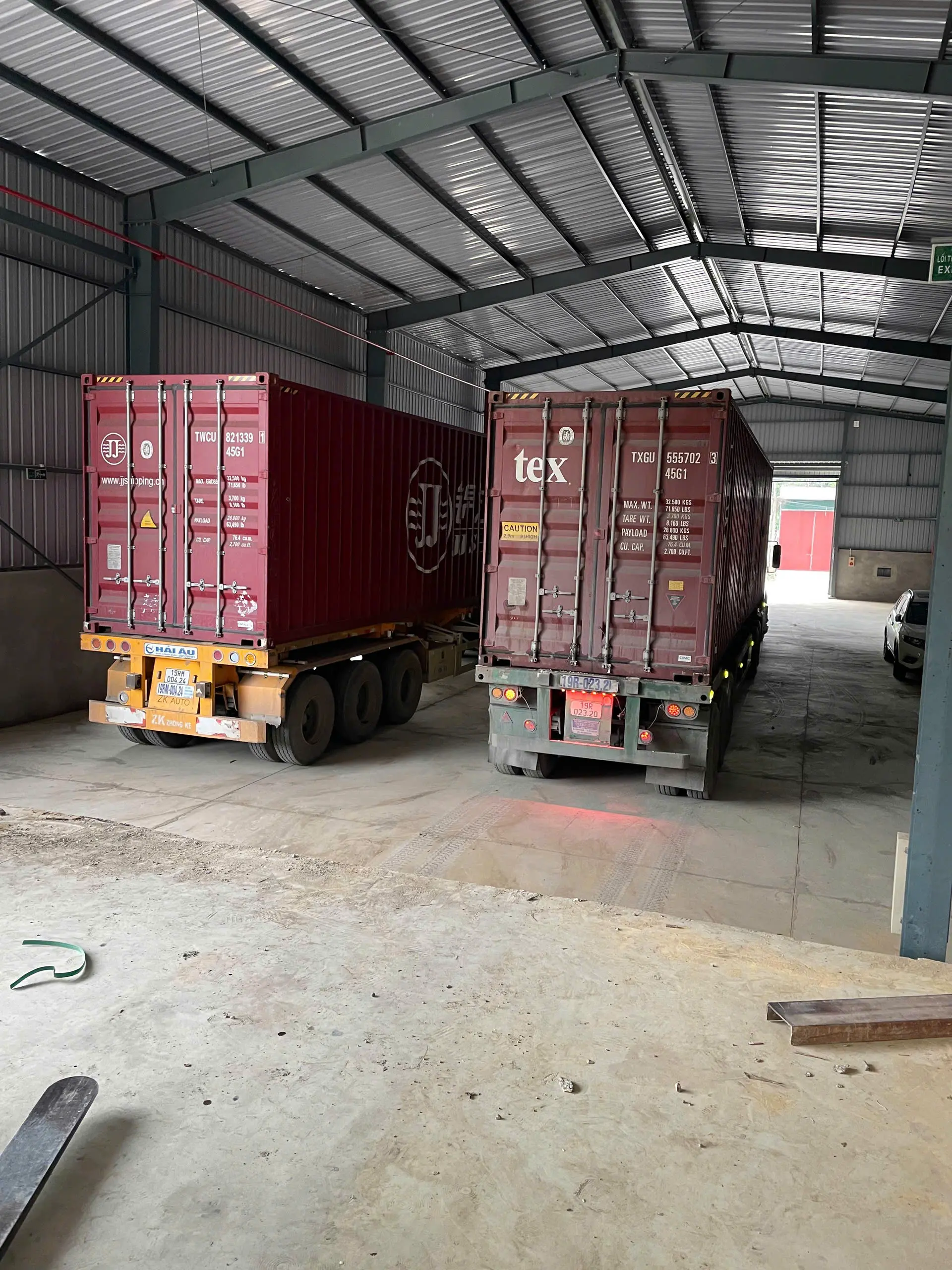
Vietnam has established itself as one of the world’s leading suppliers of high-density biomass grilling fuels, including sawdust charcoal (Ogatan) and white charcoal (Binchotan). For international B2B buyers, importers, and trading companies, navigating the customs clearance and export logistics from Vietnamese ports to demanding markets like South Korea, Japan, and the United States requires strict adherence to legal, quality, and documentation standards.
In this comprehensive guide, we break down the step-by-step export procedure, essential documentation, and regulatory compliance required for shipping charcoal products from Vietnam.
Smooth customs clearance at both Vietnamese ports and destination ports relies heavily on accurate and complete paperwork. The standard export dossier includes:
Different importing countries maintain distinct regulatory frameworks for biomass and carbon products:
| Target Market | Key Regulatory Focus | Preferred Documentation / Standards |
|---|---|---|
| South Korea | Strict ash content, moisture levels, and calorific value testing. | Form AK / Certificate of Analysis (COA) / SGS inspection report. |
| Japan | Rigorous food-safety grade standard for restaurant use, zero chemical binders check. | Form AJ / Strict lab test for heavy metals and volatile matter. |
| United States | Customs border protection (CBP) compliance, FDA product alignment, and strict pallet ISPM 15 rules. | Commercial Invoice, ISPM 15 Fumigation Certificate, MSDS. |
Charcoal is hygroscopic, meaning it easily absorbs moisture from the humid marine environment during long sea voyages. Improper packaging can lead to container sweat, mold growth, or cargo degradation.
Pro Tip for Importers: Always request a pre-shipment inspection (PSI) report from independent inspection agencies like SGS or Intertek. This verifies weight, packing quality, and specifications before the vessel departs from Vietnam, protecting your investment.
Exporting charcoal from Vietnam to international markets like South Korea, Japan, and the US is a streamlined process when partnering with an experienced manufacturer equipped to handle full compliance documentation. If you are looking for reliable factory-direct supply, custom packaging, and complete export logistics support, contact our team today.
Guide to Import Duties, Port Charges, and Container Costs for Charcoal to Japan (Updated August 2026) Published by Binchotan Supplier | Last Updated: August...
Introduction Operating an authentic Japanese Yakitori restaurant is an art form that combines culinary precision with specialized equipment. Unlike conventional...
(0) コメント
コメントを残す