日本向け木炭輸入:関税・港湾費用・コストガイド(2026年)
8月 28, 2026

Binchotan, also known as Japanese white charcoal, is widely recognized as one of the finest charcoals in the world. It is the preferred choice for yakitori restaurants, yakiniku restaurants, steakhouses, and premium BBQ because of its long burning time, stable high heat, low smoke, and clean combustion.
Unlike ordinary charcoal, authentic Binchotan is produced through a traditional carbonization process that requires skilled craftsmanship, careful temperature control, and years of experience. Every step influences the final quality of the charcoal.
In this article, we’ll take you behind the scenes and show you how premium Binchotan is made.
Everything begins with carefully selected hardwood.
Only dense hardwood species are suitable for producing premium white charcoal. High-density wood creates charcoal with a higher carbon content, greater hardness, and a much longer burning time.
The logs are cut into uniform lengths before entering the kiln. Consistent sizing helps ensure even carbonization throughout the entire batch.
Before carbonization begins, the wood must be dried to reduce its moisture content.
Proper drying is essential because excessive moisture can lead to cracks, uneven carbonization, and lower charcoal quality. Depending on the climate and wood species, the drying process may take several weeks.
Well-dried wood produces stronger, cleaner, and more durable Binchotan.
Once the wood is ready, it is carefully stacked inside the charcoal kiln.
The arrangement of the logs is more important than many people realize. Proper spacing allows heat to circulate evenly while maximizing the kiln’s capacity.
Experienced workers carefully position each piece to achieve consistent carbonization from beginning to end.
The kiln is heated gradually over several days.
During this stage:
The temperature must increase slowly and steadily. If the heat rises too quickly, the charcoal may crack internally or lose its density, reducing its overall quality.
This stage requires continuous monitoring and adjustments by experienced craftsmen.
After the initial carbonization is complete, the kiln temperature is increased to an extremely high level.
This final firing stage transforms the charcoal into dense white charcoal with exceptional performance.
The result is Binchotan with:
These characteristics make Binchotan ideal for professional restaurants and premium BBQ applications.
When the carbonization process is complete, the charcoal is removed from the kiln while it is still glowing red-hot.
This is one of the most demanding parts of the production process.
Workers must move quickly and carefully because the charcoal remains at an extremely high temperature. Experience is essential to prevent breakage and maintain product quality.
The hot charcoal is immediately covered with ash and mineral powder.
This traditional finishing method rapidly cools the charcoal and creates the distinctive white surface that gives white charcoal its name.
The finished Binchotan is:
Every batch undergoes careful quality inspection before shipment.
Our inspection includes:
Only products that meet our export standards are delivered to customers.
Professional chefs around the world choose Binchotan because it offers outstanding cooking performance.
Its advantages include:
These benefits make Binchotan one of the most trusted fuels for professional kitchens.
Seeing the production process is the best way to understand the craftsmanship behind authentic Binchotan.
In the video below, you can watch our factory producing premium white charcoal, from kiln operation to the removal of glowing charcoal after carbonization.
🎥 Watch here:
This short video showcases the traditional techniques and careful workmanship that help us produce high-quality Binchotan for customers around the world.
At Binchotan Supplier, we specialize in manufacturing and exporting premium white charcoal for importers, wholesalers, distributors, restaurants, and BBQ businesses worldwide.
Our products are manufactured under strict quality control to ensure:
Whether you are sourcing Binchotan for Japanese restaurants, premium BBQ, or wholesale distribution, our experienced team is ready to support your business with dependable products and professional export services.
Contact us today to learn more about our premium Binchotan and customized supply solutions.
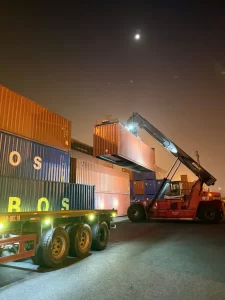
Guide to Import Duties, Port Charges, and Container Costs for Charcoal to Japan (Updated August 2026) Published by Binchotan Supplier | Last Updated: August...
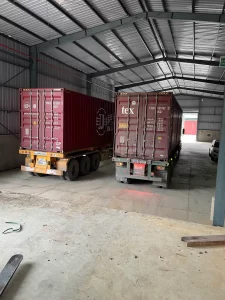
Introduction Vietnam has established itself as one of the world’s leading suppliers of high-density biomass grilling fuels, including sawdust charcoal...
(0) コメント
コメントを残す