日本向け木炭輸入:関税・港湾費用・コストガイド(2026年)
Aug 28, 2026

Running a successful Korean BBQ restaurant is an art and a science. Between managing front-of-house service, training grill masters, and keeping the smoke extraction systems running smoothly, kitchen and operations managers face a relentless operational challenge: overhead costs.
Among the most critical, yet frequently overlooked, variable expenses is charcoal.
When a busy K-BBQ restaurant goes through dozens of bags of charcoal every single night, fuel costs quietly chip away at profit margins. Worse yet, inconsistent charcoal leads to uneven cooking, frustrated customers, and excessive smoke.
Recently, we partnered with a high-volume Korean BBQ establishment that successfully reduced their charcoal consumption by 25%—all while improving the sear on their galbi and samgyeopsal. Here is how they did it, and how your restaurant can achieve the same results.
Before making a change, this particular restaurant was using standard white hardwood charcoal. While it was cheaper upfront, the operational reality told a different story:
High Burn Rate: The charcoal burned through too quickly, requiring frequent, disruptive grill replacements mid-service.
Inconsistent Heat: Fluctuating temperatures meant servers had to constantly monitor tables, leading to longer table turnover times.
Excessive Ash & Smoke: Poor density produced thick smoke and heavy ash buildup, clogging vents and tarnishing the dining atmosphere.
To fix this, the restaurant didn’t just look for a cheaper vendor—they looked for a smarter fuel source. They upgraded to premium Binchotan charcoal.
Binchotan—often celebrated as the gold standard of grilling charcoal—changed the equation. Specifically, switching to high-grade white charcoal provided three immediate advantages:
Unlike loose, fast-burning charcoal, authentic Binchotan is fired at extremely high temperatures and rapidly cooled, resulting in a dense, pure carbon structure. It burns significantly longer and hotter than conventional charcoal.Because each piece holds its heat for hours, the restaurant dramatically cut down the number of times grill masters had to reload or replace charcoal baskets during a rush.
Korean BBQ relies on intense, clean heat to lock in the juices of marinated meats without scorching the outside instantly. Binchotan radiates steady infrared heat rather than producing open, erratic flames. This precision cooking allowed the kitchen to cook meats faster and more evenly, directly contributing to the 25% reduction in total volume needed per shift.
Because Binchotan is refined to remove impurities and volatile gases, it burns cleanly. This meant less acrid smoke, a cleaner working environment for the staff, and an elevated, smoke-free ambiance for diners.
If you want to replicate this success and trim your restaurant’s operational overhead, consider implementing these steps:
Audit Your Current Fuel Efficiency: Track how many kilograms or bags of charcoal your restaurant burns on a typical Friday or Saturday night versus weekday services.
Calculate True Cost, Not Just Purchase Price: Cheap charcoal that burns out fast is more expensive in the long run due to labor waste and higher volume requirements. Premium charcoal lasts longer, meaning you buy less overall.
Train Your Floor Staff: Educate your grill attendants on proper ignition and heat management with Binchotan to maximize its extended burn capabilities.
Ready to lower your overhead, streamline your kitchen workflow, and serve better-tasting food?
At Binchotan Supplier, we provide restaurants, grills, and culinary professionals with high-grade, long-burning, and clean-burning charcoal tailored for high-volume foodservice.
[Contact our team today to request a restaurant sample kit and calculate your potential fuel savings.]
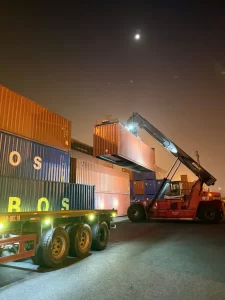
Guide to Import Duties, Port Charges, and Container Costs for Charcoal to Japan (Updated August 2026) Published by Binchotan Supplier | Last Updated: August...
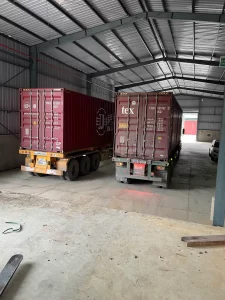
Introduction Vietnam has established itself as one of the world’s leading suppliers of high-density biomass grilling fuels, including sawdust charcoal...
Aug 28, 2026
Aug 28, 2026
(0) Comments
Leave a Comment