日本向け木炭輸入:関税・港湾費用・コストガイド(2026年)
Aug 28, 2026

If you have ever shopped for premium grilling fuel or high-end restaurant supplies, you’ve likely noticed a significant price gap between regular lump charcoal and white charcoal (Binchotan). While standard charcoal can be mass-produced cheaply, authentic white charcoal commands a much higher price tag.
Why is white charcoal so expensive? The answer lies in a combination of rare raw materials, an intricate and time-consuming artisanal production process, and unmatched performance that cannot be replicated by shortcuts.
Unlike conventional charcoal—which can be made from scrap wood, construction waste, or fast-growing softwood species—authentic white charcoal requires exceptionally dense hardwoods.
Traditional Japanese Binchotan is crafted from Ubame oak (Quercus phillyraeoides), a slow-growing tree that takes many decades to mature.
Modern, sustainable white charcoal producers carefully select dense regional hardwoods (such as eucalyptus, lychee, or local dense oak variants) that yield a high percentage of fixed carbon.
Because these slow-growing trees are heavily regulated or naturally scarce, the raw material cost is significantly higher before manufacturing even begins.
The manufacturing process for white charcoal is an art form that requires strict temperature control and intensive labor, making it vastly different from standard charcoal making:
Slow Pyrolysis (Low Heat Phase): Raw logs are stacked inside specialized traditional kilns and baked at lower temperatures over several days to drive off moisture and volatile gases.
Extreme Heat Firing (High Heat Phase): At the final stage, the kiln temperature is rapidly escalated to over 1,000°C (1,832°F). This intense heat alters the wood’s microscopic cellular structure, creating a dense, pure carbon material.
The Rapid Cooling Method (“White” Ash Finish): At the peak of carbonization, the charcoal is pulled out of the kiln and instantly smothered in a special extinguishing powder made of sand, earth, and ash. This thermal shock rapidly cools the charcoal, hardening its surface to a glass-like finish and leaving behind a characteristic whitish dust coating (hence the name “white charcoal”).
The entire cycle—from loading the heavy wood logs to firing, cooling, and sorting—takes anywhere from one to two weeks per batch.
Skilled artisans must monitor smoke color, airflow, and kiln temperature manually using decades of generational experience.
The production yield is very low: a massive volume of raw timber shrinks significantly during high-temperature carbonization. This high labor input coupled with low output drives the manufacturing cost up substantially.
Despite the higher upfront cost, restaurants and grilling enthusiasts continuously invest in white charcoal because of its exceptional economic and culinary value:
Extended Burn Time: It burns up to twice as long as regular charcoal, meaning you need fewer overall kilograms per shift.
Clean Infrared Heat: It produces virtually no smoke, sparks, or unpleasant chemical odors, preserving the pure taste of premium meats and seafood.
Reusability: High-density white charcoal can often be extinguished safely and re-lit for subsequent cooking sessions, minimizing waste.
White charcoal is expensive because it is essentially a high-performance engineering marvel born from nature and refined through rigorous craftsmanship. For fine dining establishments, high-volume K-BBQ restaurants, and master grillers, the purity, long burn time, and exceptional heat control make it a worthwhile investment that lowers overall fuel waste.
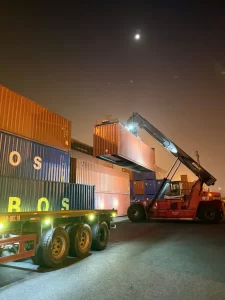
Guide to Import Duties, Port Charges, and Container Costs for Charcoal to Japan (Updated August 2026) Published by Binchotan Supplier | Last Updated: August...
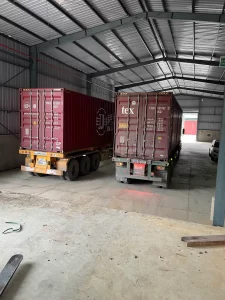
Introduction Vietnam has established itself as one of the world’s leading suppliers of high-density biomass grilling fuels, including sawdust charcoal...
Aug 28, 2026
Aug 28, 2026
(0) Comments
Leave a Comment